Guide
Fountain Pen Care and Maintenance: Everything You Need to Know
Published: 2026-04-06 · Updated: 2026-04-10
A well-maintained fountain pen can last a lifetime — or even several lifetimes. Many vintage pens from the 1920s and 1930s still write beautifully today because their owners treated them with basic care. The good news is that fountain pen maintenance is straightforward. A few simple habits will keep your pens performing at their best for decades.
Daily Habits That Make a Difference
Write Regularly
The single best thing you can do for a fountain pen is use it. Ink left sitting in a pen without flowing through the feed will eventually dry out, leading to hard starts and clogs. If you rotate through multiple pens, try to use each one at least once a week.
Cap Your Pen When Not Writing
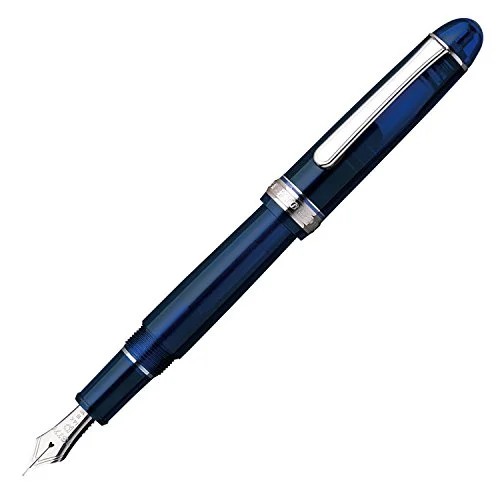
This sounds obvious, but it matters more than you might think. A fountain pen nib exposed to air will begin drying out within minutes. Always cap your pen when you set it down, even for a short break. Pens with superior sealing mechanisms — like the Platinum #3776 Century ($90) with its patented Slip and Seal cap — can sit capped for months without drying, but most pens are not that forgiving.
Store Nib Up or Horizontal
When your pen is not in use, store it nib up in a pen stand or case, or lay it horizontally. Storing a pen nib down can cause ink to pool in the cap, creating a mess and potentially letting ink dry around the nib and feed.
The exception is when you first fill a pen and want ink to saturate the feed. In that case, you can briefly hold the pen nib down to encourage flow.
Nib Care
The nib is the heart of your fountain pen, and it deserves careful handling.
Never Press Hard
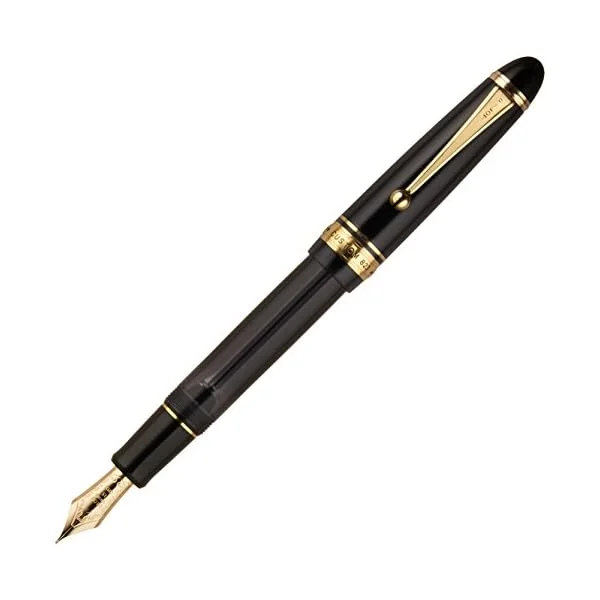
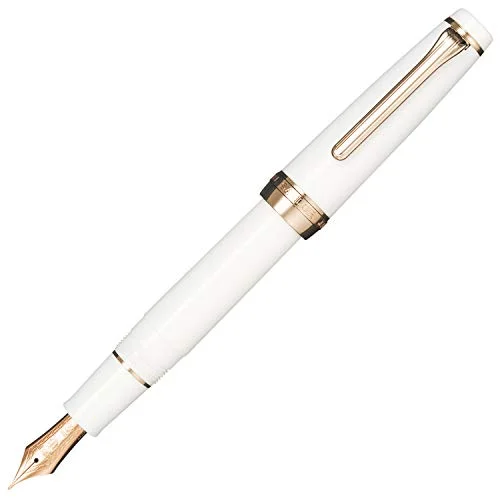
Fountain pens are designed to write with zero pressure — just the weight of the pen on paper. Pressing hard will not make the line wider (unless you have a flex nib), and it can spring the tines apart permanently. This is especially important with gold nibs like those on the Pilot Custom 823 ($270) and Sailor Pro Gear ($220), which are softer than steel and more susceptible to damage.
Protect the Nib from Drops
A dropped fountain pen that lands on its nib can bend or misalign the tines beyond repair. Always cap your pen before putting it in a pocket, and never leave an uncapped pen near the edge of a desk. If you carry pens daily, invest in a protective case or sleeve.
Avoid Lending Your Pen
This might sound possessive, but there is a practical reason. Every writer holds a pen differently and applies different pressure. Over time, a gold nib subtly adapts to your specific writing angle and grip. When someone unfamiliar with fountain pens uses yours, they may press too hard or hold it at the wrong angle, potentially damaging the nib. If you do lend a pen, choose a steel-nibbed pen like the LAMY Safari ($30) or Pilot Metropolitan ($20) — steel is more resilient.
Ink Management
Use Quality Ink
Not all fountain pen ink is created equal. Stick with inks from reputable manufacturers — Pilot Iroshizuku, Sailor Jentle, Pelikan Edelstein, LAMY, and Waterman are all safe choices that are well-lubricated and pH balanced.
Avoid India ink, calligraphy ink, and any ink not specifically formulated for fountain pens. These contain shellac or pigment particles that will clog and potentially ruin your pen.
Do Not Mix Inks in the Pen
Mixing inks from different manufacturers can cause chemical reactions — clumping, clogging, or even permanent staining. If you want to experiment with ink mixing, do it in a separate vial first. Always clean your pen thoroughly before switching between different ink brands.
Flush Before Changing Colors
Before loading a new ink, flush the pen with cool water until the water runs completely clear. Residual ink from the previous fill can contaminate your new color. This is especially important when switching between dramatically different colors — going from Pilot Iroshizuku Kon-peki (cerulean blue) to Yama-budo (crimson purple) without flushing will give you a muddy result.
Long-Term Storage
If you plan to store a pen for more than a few weeks, proper preparation will prevent problems.
Step 1: Empty and Clean
Never store a fountain pen with ink in it for extended periods. Flush the pen completely with cool water until all traces of ink are gone.
Step 2: Dry Thoroughly
After flushing, let the pen dry nib-down on a paper towel for at least 24 hours. Any residual moisture can breed mold or cause corrosion in the ink channel over months of storage.
Step 3: Store Properly
Place the clean, dry pen in a case or pouch with the cap on. Avoid extreme temperatures — do not leave pens in a car during summer or near a heat source. The ideal storage environment is room temperature with moderate humidity.
For valuable pens, consider a pen case with individual slots that prevent pens from touching each other and causing scratches.
Seasonal Considerations
Summer Heat
Heat causes ink to expand and thin out, which can lead to leaking — especially during air travel. In hot weather, avoid filling your pen completely. Leave some air space in the reservoir. If you are flying, keep pens nib up during ascent and descent, and consider traveling with pens emptied.
The Pilot Vanishing Point ($180) with its retractable nib is excellent for travel because the internal seal prevents leaking even with pressure changes.
Winter Dryness
Dry indoor air during winter can cause ink to evaporate faster from the nib, leading to hard starts. Pens may need more frequent use in winter months. If you notice hard starts becoming common, cap the pen for 30 seconds to let ink re-saturate the feed, then try writing again.
Converter and Cartridge Maintenance
Converters
Converters are consumable parts that wear out over time. The piston seal inside a converter can dry out and lose its grip, making it difficult to draw ink. Replace converters every two to three years, or when you notice the piston no longer moves smoothly.
Popular converter replacements:
- Pilot CON-40 and CON-70 — for Pilot pens with converter compatibility
- LAMY Z28 — for all LAMY fountain pens
- Standard International converters — fit many European pens (Kaweco, Monteverde, and others)
Cartridges
Cartridges have a long shelf life when sealed, but once opened, the ink is exposed to air. If you start a cartridge, use it within a few weeks. Do not leave a half-used cartridge sitting in a pen for months.
When Something Goes Wrong
Hard Starts
If your pen takes a moment to start writing after being capped, the nib may be drying out. Try these fixes in order:
- Cap the pen for 60 seconds and retry — sometimes the feed just needs time to re-wet
- Gently touch the nib to a damp paper towel to draw ink through
- Flush the pen and refill with fresh ink
- Check that the nib tines are properly aligned (use a loupe or magnifying glass)
Skipping
Skipping — where the pen misses strokes during writing — is usually caused by a flow issue. The fix depends on the cause:
- Dried ink in the feed: Flush the pen thoroughly
- Ink too dry or incompatible: Try a wetter ink like Pilot Iroshizuku or Pelikan Edelstein Tanzanite
- Tines too tight: This requires careful adjustment with brass shims — if you are not experienced, consult a nib specialist
Ink Leaking into the Cap
A small amount of ink in the cap is normal, especially with pens that use a wet ink flow. Excessive leaking usually means temperature changes are causing ink to expand, or the pen was stored nib down. Clean the cap interior with a cotton swab and water periodically.
Maintenance Schedule at a Glance
| Task | Frequency |
|---|---|
| Cap pen when not writing | Every time |
| Use each pen in your rotation | At least once per week |
| Flush pen when switching inks | Every ink change |
| Routine flush (daily writers) | Every 4–6 weeks |
| Replace converter | Every 2–3 years |
| Deep clean with pen flush solution | Every 6–12 months |
| Inspect nib alignment | Annually or when issues arise |
Essential Maintenance Supplies
You do not need much to keep your pens in great shape:
- Cool water — your primary cleaning tool
- Paper towels — for drying and wicking moisture
- Bulb syringe — for flushing cartridge/converter pens
- Silicone grease — for lubricating piston seals on TWSBI and Pelikan pens (apply sparingly, once a year)
- Brass shims — for advanced tine adjustment (only if you are comfortable with nib work)
- A loupe or magnifying glass — for inspecting nib alignment
The Bottom Line
Fountain pen maintenance boils down to three principles: use your pens regularly, keep them clean, and store them properly. That is genuinely all it takes. The rest — nib adjustment, piston lubrication, deep cleaning — is occasional work that most pen owners will rarely need to do.
Treat your pens well, and they will reward you with thousands of pages of beautiful writing.
🖊️ Featured Pens in This Article