Guide
Fountain Pen Filling Systems Explained: The Complete Guide
Published: 2026-04-04 · Updated: 2026-04-06
The filling system is one of the most important features of a fountain pen. It determines how you load ink, how much ink you can carry, and even how you maintain your pen. This guide covers every filling system you will encounter.
Cartridge
The simplest filling system. You snap a pre-filled ink cartridge into the pen section, and you are ready to write.
Pros
- Extremely convenient — no mess, no bottles needed
- Perfect for travel and on-the-go use
- Easy for beginners to use
Cons
- Limited ink color selection (only what the manufacturer offers)
- Higher cost per fill compared to bottled ink
- Creates plastic waste
Best Cartridge Pens
- Kaweco Sport ($28) — compact pocket pen with wide nib selection
- LAMY Safari ($30) — iconic student pen with swappable nibs
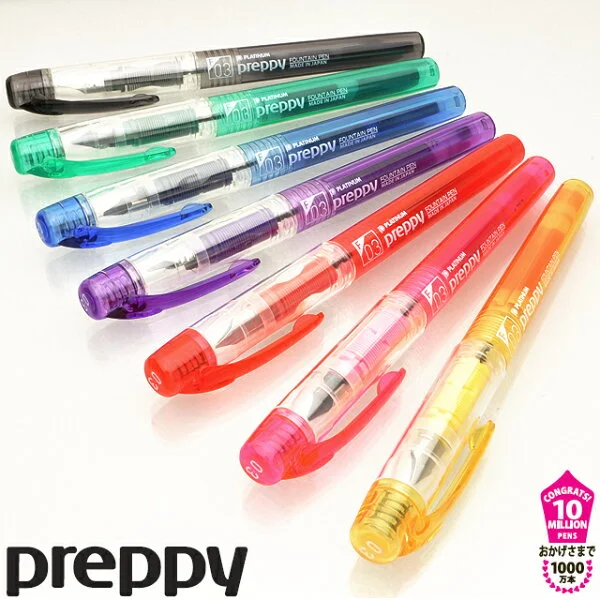
- Platinum Preppy ($5) — incredible value with Slip and Seal technology
Proprietary vs Standard
Most Japanese manufacturers (Pilot, Sailor, Platinum) use proprietary cartridge sizes. European brands generally use the Standard International cartridge, which is interchangeable between brands like LAMY (with adapter), Pelikan, Kaweco, and many others.
Cartridge/Converter
Most fountain pens in the cartridge/converter category accept both disposable cartridges and a reusable converter that lets you fill from bottled ink. The converter is typically a small piston or squeeze mechanism that fits in the same slot as a cartridge.
Pros
- Flexibility to use either cartridges or bottled ink
- Best of both worlds for convenience and ink selection
- Most common system — huge pen selection
Cons
- Converters hold less ink than piston fillers (typically 0.5-0.8ml)
- Converter quality varies between brands
- Some converters are sold separately
Best Converter Pens
- Pilot Custom 742 ($200) — 15 nib options with CON-70 converter
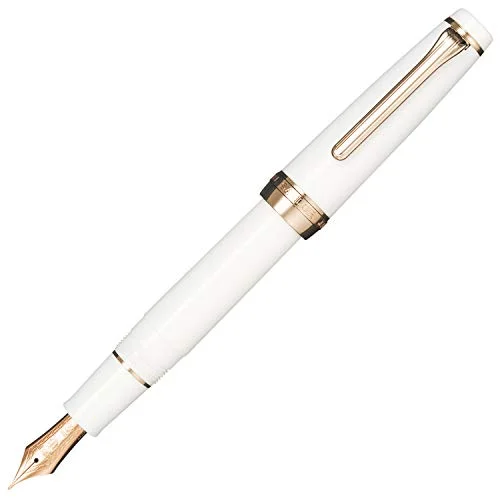
- Sailor Pro Gear ($240) — beautiful 21K gold nib with feedback
- Pilot Vanishing Point ($180) — revolutionary retractable nib
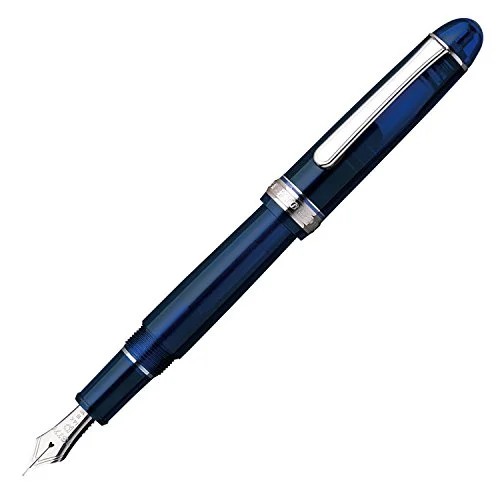
- Platinum #3776 Century ($100) — excellent value with 14K gold nib
Piston Filler
A built-in mechanism where you twist the end of the barrel to draw ink directly into the barrel. The barrel itself becomes the ink reservoir, providing much larger capacity than a converter.
Pros
- Large ink capacity (typically 1.2-1.8ml)
- Satisfying filling ritual
- No separate converter to buy or lose
- Generally more reliable sealing
Cons
- Can only use bottled ink (no cartridge option)
- More complex mechanism means higher prices
- Harder to clean thoroughly
- Barrel material must be ink-resistant
Best Piston Pens
- TWSBI Eco ($35) — best budget piston filler by far
- TWSBI Diamond 580 ($65) — step up with faceted design
- LAMY 2000 ($250) — Bauhaus masterpiece since 1966
- Pelikan Souveran M800 ($550) — legendary differential piston mechanism
- Montblanc Meisterstuck 149 ($1100) — the world’s most iconic fountain pen
Vacuum Filler
A variation of the piston system where a plunger creates a vacuum to rapidly draw in a large amount of ink. Some include an ink shut-off valve for travel safety.
Pros
- Massive ink capacity (up to 2ml+)
- Dramatic, satisfying filling action
- Ink shut-off valve prevents leaking (on some models)
- Efficient — fills in one stroke
Cons
- Limited pen selection
- More complex mechanism
- Can be messy if technique is wrong
- Higher price point
Best Vacuum Pens
- TWSBI Vac700R ($85) — affordable vacuum filler with shut-off valve
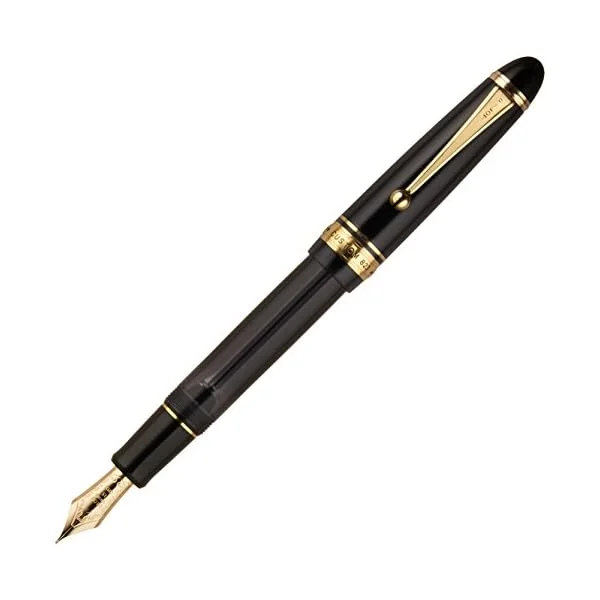
- Pilot Custom 823 ($270) — considered one of the best pens under $300
Eyedropper
The oldest and simplest method — you literally drip ink directly into the barrel using an eyedropper or syringe. No mechanism at all. The entire barrel becomes the ink reservoir.
Pros
- Maximum possible ink capacity
- No mechanical parts to break
- Simple and reliable
- Can convert many cheap pens to eyedropper
Cons
- Messy filling process
- Risk of burping (ink surging out due to heat/pressure changes)
- Not all pens are suitable (need proper sealing)
- Ink sloshes visibly in transparent pens
Eyedropper-Friendly Pens
Many cartridge pens can be converted to eyedropper by applying silicone grease to the threads. The Kaweco Sport and some Platinum Preppy models are popular conversion candidates.
Ink Capacity Comparison
| System | Typical Capacity | Fills Per Bottle (50ml) |
|---|---|---|
| Cartridge | 0.5-1.0ml | 50-100 |
| Converter | 0.5-0.8ml | 60-100 |
| Piston | 1.2-1.8ml | 28-42 |
| Vacuum | 1.5-2.2ml | 23-33 |
| Eyedropper | 2.0-3.0ml+ | 17-25 |
Which System Should You Choose?
Choose cartridge/converter if you are a beginner or want maximum flexibility. This covers 90% of fountain pen users perfectly.
Choose piston if you write a lot and want large capacity without frequent refilling. The TWSBI Eco makes this accessible to everyone.
Choose vacuum if you want the ultimate ink capacity and do not mind a higher price. The Pilot Custom 823 is worth every penny.
Choose eyedropper if you are adventurous and want maximum capacity from a simple pen. Just be prepared for the occasional mess.
The beauty of this hobby is that you do not have to choose just one. Most fountain pen enthusiasts end up with pens across multiple filling systems, each suited to different situations.
🖊️ Featured Pens in This Article