Nib Guide
Gold Nib vs Steel Nib: Is the Upgrade Worth It?
Published: 2026-04-06 · Updated: 2026-04-06
One of the most common questions in the fountain pen community is whether a gold nib is truly worth the extra cost. The short answer: it depends on what you value. Let’s break it down so you can make an informed decision.
What Actually Determines Nib Quality?
Before diving into the gold vs steel debate, it’s important to understand that the material alone does not define a good nib. Factors like the tipping material (usually iridium alloy), the grind, quality control, and overall pen design all play a significant role in how a nib performs on paper.
A poorly tuned gold nib will write worse than a well-tuned steel nib every time. With that context in mind, let’s compare the two materials on their own merits.
Gold Nibs: What You’re Paying For
Karat Grades Explained
Gold nibs come in several karat ratings, each offering a different balance of softness and durability:
- 14k (58.5% gold): The most common grade. Offers moderate flex and springiness while remaining durable for daily use. Found in pens like the Pilot Custom 74 and Lamy 2000.
- 18k (75% gold): Softer and more responsive. Popular among European makers like Pelikan and Montblanc. Provides a buttery, cushioned feel.
- 21k (87.5% gold): Almost exclusive to Japanese brands like Pilot and Sailor. Extremely soft with noticeable line variation, prized by enthusiasts who enjoy expressive writing.
Why Writers Love Gold Nibs
Gold is softer and more elastic than stainless steel, which translates to a few practical benefits:
- Springiness: Gold nibs have a subtle bounce that absorbs pressure, reducing hand fatigue during long writing sessions.
- Warmth: Many users describe the writing feel as smoother and more “alive” compared to the rigid feedback of steel.
- Character: Over time, a gold nib can adapt slightly to your writing angle, becoming uniquely yours.
Steel Nibs: The Practical Powerhouse
Why Steel Deserves Respect
Steel nibs have improved dramatically over the past decade. Modern steel nibs from brands like TWSBI, Lamy, and Pilot offer excellent performance at a fraction of the cost.
- Durability: Steel is harder than gold, making it more resistant to damage from drops or heavy-handed writing.
- Consistency: Steel nibs tend to behave predictably right out of the box, with less variation between units.
- Price: A quality steel-nibbed pen costs $20-50, while gold-nib equivalents often start at $100 and climb quickly.
- Maintenance: Steel nibs are easier and cheaper to replace if something goes wrong.
The Feedback Factor
Some writers actually prefer the firmer, more precise feedback of a steel nib. If you enjoy feeling the texture of the paper as you write, steel provides that tactile experience more than gold does.
Writing Experience: Side-by-Side Comparison
Here’s how the two stack up across the key factors most writers care about:
- Smoothness: Gold nibs generally feel smoother due to their softness, though premium steel nibs (like the TWSBI Eco’s) come very close.
- Line Variation: Gold nibs, especially higher karat ones, offer more natural line variation with pressure changes. Steel nibs produce a more uniform line.
- Reliability: Steel wins slightly here. Less springiness means fewer flow issues and more predictable ink delivery.
- Long Writing Sessions: Gold nibs reduce fatigue thanks to their cushioned feel. Steel nibs can feel tiring if you press hard.
When a Gold Nib Is Worth It
Consider upgrading to gold if:
- You write frequently for extended periods and want reduced hand fatigue.
- You value the subtle springiness and character that develops over time.
- You’re ready to invest in a pen you plan to use for years or decades.
- You enjoy expressive writing with natural line variation.
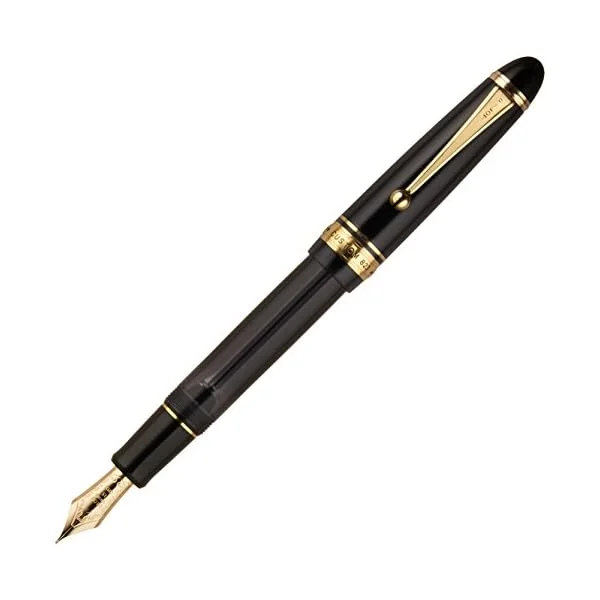
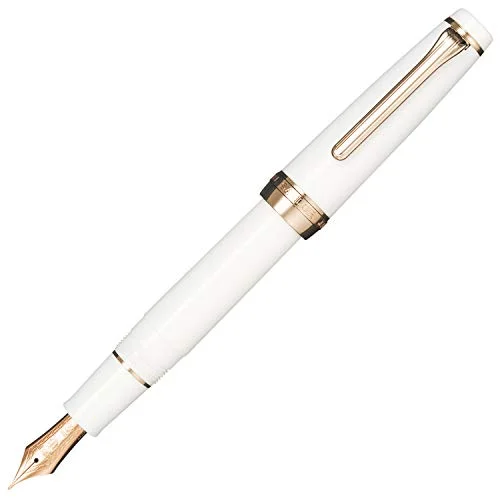
Top picks: Pilot Custom 823 (14k, exceptional value), Lamy 2000 (14k, iconic design), Sailor Pro Gear (21k, legendary feedback).
When Steel Is the Better Choice
Stick with steel if:
- You’re new to fountain pens and still discovering your preferences.
- You want a reliable, low-maintenance daily writer.
- Budget is a primary concern.
- You prefer firm, precise feedback over soft cushioning.
Top picks: TWSBI Eco (best value overall), Lamy Safari (bulletproof reliability), Pilot Metropolitan (premium feel at entry-level price).
The Bottom Line
A gold nib is not inherently “better” than a steel nib. It’s a different writing experience. Many seasoned collectors rotate between both depending on the task. If you’ve been using steel nibs and feel perfectly happy, there’s no pressure to upgrade. But if you’re curious about that softer, springier feel that gold is known for, even a single gold-nib pen in your collection can be a rewarding addition.
Start with a well-regarded steel pen, learn what you like, and upgrade to gold when you know exactly what you’re looking for. That’s the smartest path in this hobby.
🖊️ Featured Pens in This Article