Guide
How to Clean a Fountain Pen: A Step-by-Step Guide for Every Filling System
Published: 2026-04-06 · Updated: 2026-04-10
A clean fountain pen is a happy fountain pen. Ink residue, dried pigment, and dust can clog the feed, reduce ink flow, and muddy your colors when switching inks. The good news is that cleaning a fountain pen is simple, and doing it regularly will keep your pen writing like the day you bought it.
When to Clean Your Fountain Pen
You do not need to clean your pen every week. Here are the situations that call for a good flush:
- Switching ink colors — always clean before loading a new ink to avoid contamination
- Pen has been sitting unused for more than two weeks without writing
- Ink flow has slowed down or the pen skips during writing
- You notice inconsistent color or dried ink buildup around the nib
As a general rule, a quick flush every four to six weeks is enough for pens in daily rotation.
What You Need
You do not need any special equipment. Here is everything required:
- Cool or lukewarm water (never hot — heat can damage feeds and seals)
- A cup or small glass
- Paper towels or a soft cloth
- A bulb syringe (optional, but very helpful)
- A drop of dish soap (only for stubborn clogs — use sparingly)
Never use alcohol, acetone, or ultrasonic cleaners on fountain pens unless you know your pen’s materials can handle it.
Cleaning a Cartridge/Converter Pen
This covers the majority of fountain pens, including popular models like the Pilot Metropolitan ($20), LAMY Safari ($30), and Pilot Custom 742 ($200).
Step 1: Disassemble
Unscrew the barrel from the section (the grip area with the nib). Remove the cartridge or converter.
Step 2: Flush the Section
Hold the section under cool running water, nib pointing down. Let the water run through the feed for 15 to 20 seconds. You will see ink washing out — keep going until the water runs clear.
If you have a converter, reattach it and use it as a flushing tool: fill with clean water, expel, and repeat until the water comes out clear. This is the most effective method for cartridge/converter pens.
Step 3: Soak if Needed
If the water is still discolored after several flushes, fill a cup with cool water and let the section soak nib-down for two to four hours. Change the water when it becomes saturated with ink. For stubborn inks, you can soak overnight.
Step 4: Dry
Wrap the section in a paper towel, nib pointing down, and let it sit for several hours or overnight. The paper towel will wick out remaining moisture. Do not use a hair dryer or any heat source.
Cleaning a Piston Filler
Piston filling pens like the TWSBI Eco ($35), LAMY 2000 ($250), and Pelikan Souverän M800 ($600) have a built-in piston mechanism that doubles as an excellent flushing tool.
Step 1: Expel Remaining Ink
Turn the piston knob to push out any remaining ink into a sink or onto a paper towel.
Step 2: Fill and Flush
Dip the nib into a cup of cool water. Turn the piston knob to draw water in, then expel it. Repeat this cycle ten to fifteen times, or until the expelled water is completely clear.
Step 3: Final Rinse
For the last fill, draw in fresh clean water, let it sit in the pen for a minute, then expel. This ensures any remaining ink in the feed channels is flushed out.
Step 4: Dry
With the piston fully extended (open position), place the pen nib-down on a paper towel and let gravity help drain the remaining water. Allow several hours to dry.
Cleaning a Vacuum Filler
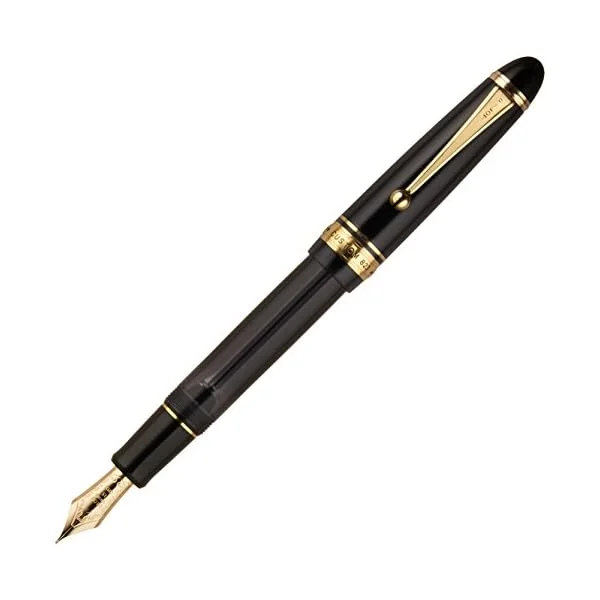
Vacuum filling pens like the Pilot Custom 823 ($270) and TWSBI Vac700R ($65) require a slightly different approach due to their plunger mechanism.
Step 1: Open the Blind Cap
Unscrew the blind cap (the knob at the end of the barrel) to open the shut-off valve. This allows ink to flow to the nib.
Step 2: Flush
Submerge the nib in cool water. Push the plunger down and release it to draw water into the barrel. Expel the water by pushing the plunger down again. Repeat eight to ten times.
Step 3: Clean the Shut-Off Valve Area
The area around the shut-off valve can trap ink. After your main flush, fill the pen with clean water, close the blind cap, and gently shake the pen. Open the blind cap and expel. This helps clear residue near the valve.
Step 4: Dry
Leave the pen disassembled (blind cap unscrewed) and rest it nib-down on a paper towel for several hours.
Dealing with Stubborn Ink and Clogs
Some inks are harder to clean than others. Shimmer inks, iron gall inks, and heavily saturated inks can leave residue that plain water will not remove.
The Dish Soap Method
Add a single drop of unscented dish soap to a cup of lukewarm water. Flush the pen with this solution several times, then flush again with plain water to remove all soap residue. Soap breaks up dried ink and lubricates the feed channels.
Bulb Syringe Flush
For cartridge/converter pens, a bulb syringe is a game-changer. Remove the converter, attach the syringe to the section opening, and force water through the feed under pressure. This clears clogs that normal flushing cannot reach.
When to Seek Professional Help
If your pen still writes poorly after thorough cleaning, the problem may not be ink buildup. Bent tines, a misaligned nib, or a damaged feed require a nib specialist or a trip back to the manufacturer.
Inks That Need Extra Cleaning Attention
Not all inks are equally easy to clean. Here is what to watch for:
- Shimmer/glitter inks — metallic particles can settle in the feed. Flush more frequently and consider dedicating a pen to shimmer inks.
- Iron gall inks — these inks can stain and potentially corrode if left sitting. Clean within a week of stopping use.
- Heavily saturated inks — inks like those in the Pilot Iroshizuku line are beautifully saturated but can stain demonstrator barrels. Kon-peki and Yama-budo are notorious for this.
- Baystate Blue — this Noodler’s ink is legendarily difficult to clean. A diluted bleach solution (10:1 water to bleach) may be needed for stubborn stains. Many enthusiasts dedicate a single pen to this ink permanently.
Quick Reference: Cleaning Schedule
| Situation | Action |
|---|---|
| Switching inks | Full flush until water runs clear |
| Regular maintenance (daily writer) | Flush every 4–6 weeks |
| Pen stored for 2+ weeks | Flush before refilling |
| Shimmer or iron gall ink | Flush within 1 week of stopping use |
| Pen skipping or hard starting | Flush immediately; soak if needed |
Final Tips
- Always use cool or lukewarm water. Hot water can warp plastic feeds, damage seals, and loosen adhesives.
- Never force a nib or feed out of the section during cleaning unless you know what you are doing. Many modern pens have friction-fit feeds that are not designed for disassembly.
- Keep a dedicated pen flush solution on hand if you frequently switch inks. Commercial pen flush products from brands like Monteverde and Goulet are convenient and gentle.
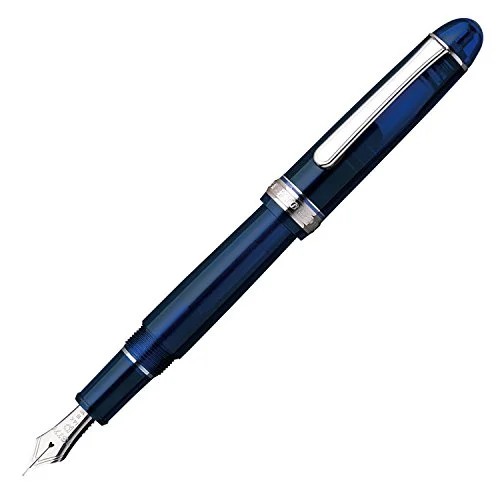
- For pens with Platinum’s Slip and Seal cap technology, like the Platinum #3776 Century ($90), the airtight seal means your ink stays wet even after months of non-use — but you should still clean the pen when switching colors.
A few minutes of cleaning translates to years of reliable performance. Your pen will thank you with smooth, consistent lines every time you put nib to paper.
🖊️ Featured Pens in This Article